

Introduction
The growing availability of at-home health monitoring tools has transformed personal healthcare, allowing individuals to take a more active role in their well-being. Among these developments, home urine drug tests have become increasingly popular due to their convenience, privacy, and straightforward usage. As concerns over substance use rise, more people are opting for at-home testing solutions, such as urine drug screens in Australia, to obtain quick and private results, avoiding the discomfort associated with clinical environments.
These tests are revolutionizing how individuals and families address health issues, providing swift insights into potential substance use and fostering a more educated approach to prevention and treatment. The rise of home drug testing corresponds with a broader evolution in healthcare, where technology and accessibility converge to empower individuals with more control over their health management.
With the proliferation of digital health tools, it is essential to grasp how home urine drug tests integrate into the personal healthcare framework. Being informed about their accuracy, functionalities, and limitations can enhance user experience while reducing the risk of misinterpretation or incorrect results.
As healthcare providers and employers increasingly acknowledge the significance of remote screening, the practical benefits of these at-home kits are growing, alongside the demand for clear guidelines on effective usage.
The Rise of Home Drug Testing
The trend toward private healthcare, accelerated by the COVID-19 pandemic, has amplified interest in at-home diagnostic testing. A recent
AARP report indicates that the pandemic heightened awareness about at-home diagnostics and resulted in more individuals utilizing solutions like home urine drug tests. Many found that testing at home removes the stigma and inconvenience tied to clinic-based screenings, fostering more open conversations and prompt interventions.
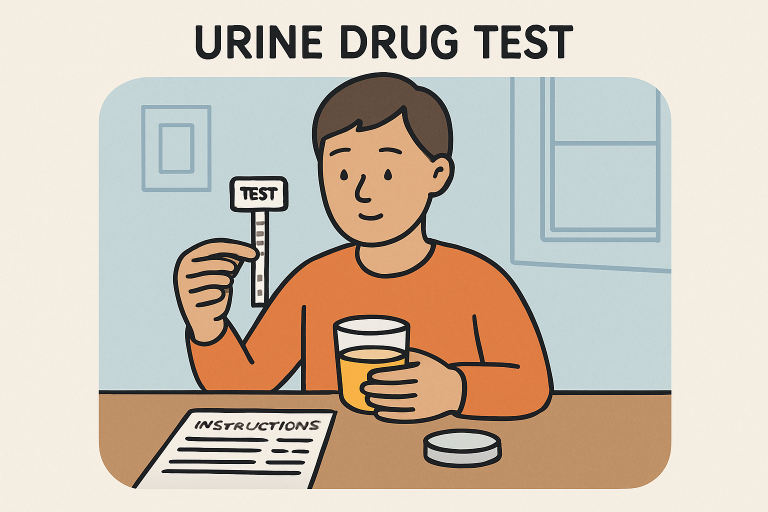
Urine drug test kits are now readily available in pharmacies and online, allowing users to discreetly monitor their own substance use or administer tests to family members. Testing at home circumvents scheduling conflicts, cuts costs, and provides immediate feedback—qualities that are particularly appealing for those managing ongoing health issues or recovering from substance abuse.
Technological Advancements in Home Drug Tests
One of the most notable changes in home drug testing is the evolution of technology. Modern home urine drug tests primarily utilize immunoassay methods, enabling them to detect several substances—including cannabis, amphetamines, opioids, and benzodiazepines—in a single sample.
Recent developments have not only enhanced the sensitivity but also the specificity of these kits, reducing the likelihood of false positives or negatives. Some newer devices even feature smartphone applications to assist in interpreting results, further empowering users to manage their health effectively and share data as necessary. Increased clinical validation and stricter regulatory oversight are also contributing to greater transparency and trust among consumers.
Applications in Personal Healthcare
Home urine drug testing kits play several important roles in personal healthcare. Individuals frequently use them to privately assess their own substance use, which is especially beneficial for those in recovery programs who need to demonstrate abstinence or monitor for relapse. They are equally useful for patients on certain medications to confirm proper usage and prevent accidental misuse. For in-depth information on urine drug testing and its processes, see the Healthline guide.
For parents, home tests provide a means to engage in open discussions about drugs with teens, facilitating early detection of potential issues and enabling tailored support. Caregivers can monitor at-risk family members, such as elderly relatives, especially when medication adherence is critical. This proactive approach can lead to improved health outcomes and reassurance for families.
Workplace Implications
The shift to remote work has prompted organizations to reevaluate conventional drug screening methods. Home testing presents a viable option for employers who wish to uphold drug-free policies without requiring employees to visit clinics—especially relevant for organizations with a widespread or decentralized workforce.
Companies have started to incorporate home test kits in their onboarding processes, regular screening, or in response to reasonable suspicions. However, this transition raises concerns, necessitating the development of more rigorous protocols, tamper-evident technology, and clear communication regarding the repercussions of falsified results among employees.
Understanding Test Limitations
While at-home urine drug tests enhance accessibility, it is vital to be aware of their limitations. Each substance has a specific detection window, meaning that drugs may not be detectable after a certain period, regardless of recent use. Certain foods, medications, or supplements can cause false positives, and improper sample collection may result in inaccurate outcomes.
Most at-home tests provide qualitative results, indicating only whether substances are present or absent, rather than measuring levels. This can lead to confusion, particularly in distinguishing between light exposure, chronic use, or therapeutic levels of medication. Therefore, any positive or unexpected results should be confirmed through laboratory testing, which offers greater accuracy and quantification.
Best Practices for Accurate Results
To maximize the reliability of home urine drug tests, adherence to best practices is crucial:
- Carefully read and follow the manufacturer’s instructions prior to use.
- Ensure that the test kit is not expired and has been stored according to the guidelines provided.
- Time sample collection appropriately, in alignment with the known detection windows for the substance(s) in question.
- If a positive result is indicated, seek confirmation from a healthcare provider or a professional laboratory analysis.
Being well-informed enhances the credibility of results from home testing and helps ensure that healthcare or employment decisions are based on reliable evidence.
Conclusion
Home urine drug tests are undeniably reshaping the landscape of personal healthcare, providing individuals with immediate control over their substance use screening while promoting privacy and empowerment. As technology continues to enhance the accuracy and range of these kits, they are becoming an increasingly integral tool for individuals, families, and employers. Nonetheless, recognizing their limitations and supplementing at-home results with professional guidance when necessary is essential for making informed and reliable healthcare decisions.