

The selection of an appropriate breast implant is significantly influenced by body type and proportions. What may appear ideal for one individual may not suit another due to variations in body frame and chest dimensions. An optimal implant aligns with the body’s natural proportions, resulting in an outcome that is aesthetically pleasing, natural, and comfortable.
Various anatomical factors, including shoulder shape, chest width, and the quantity of natural breast tissue, determine how implants are perceived. A petite individual might find that a smaller implant with moderate projection is beneficial, whereas someone with a broader frame could require larger implants to ensure symmetry. Surgeons aim to sync the selected implant with the body structure to achieve results that blend seamlessly, neither overtly prominent nor too understated.
An understanding of proportions is crucial in steering decisions throughout the augmentation journey. This knowledge serves as the groundwork for selecting the appropriate size, shape, and profile, reflecting both individual anatomy and lifestyle factors. Such a customized approach fosters confidence and satisfaction in the eventual outcome.
Influence of Body Type and Proportions on Implant Selection
Factors such as body type, chest width, and the thickness of natural tissue significantly affect the visual and tactile qualities of breast implants post-surgery. A careful correlation between a patient’s anatomy and the implant profile is key to achieving natural, harmonious proportions tailored to each individual’s shape and lifestyle.
Role of Body Frame in Implant Selection
The overall frame of the body guides the choices related to implant width and projection. Individuals with narrower chests may benefit from high-profile implants that provide projection while minimizing added width. Conversely, those with broader chests generally prefer moderate or low-profile implants that ensure a proportionate and gentler contour. These dynamics are essential in preventing implants from looking excessively small or overly wide.
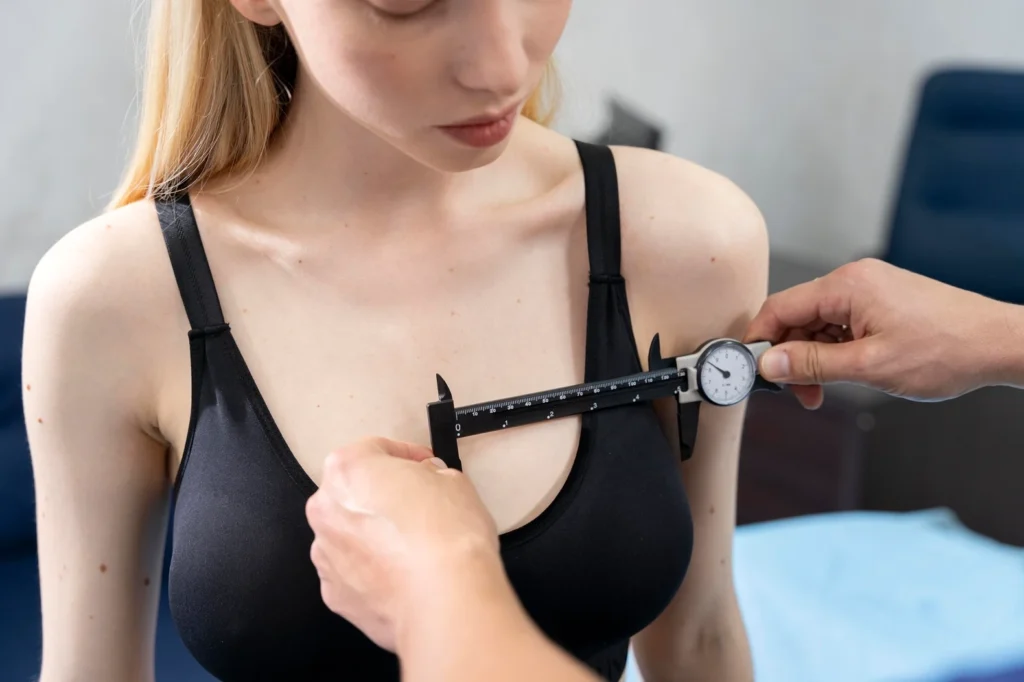
During a breast augmentation consultation in Toronto, surgeons take measurements of chest width, base diameter, and observe shoulder alignment to make informed choices about implant size and profile. These measurements are crucial for customizing results to fit each individual’s unique anatomy.
For individuals with athletic physiques, implants with lower projection can help retain upper body balance. In comparison, clients with smaller torsos may prefer implants with slightly more projection to achieve a defined appearance. Ultimately, the intention is to achieve a ratio between chest dimensions and implant profile, focusing on more than mere implant volume.
The Importance of Body Proportions for Natural Results
Various body proportions, including torso length, shoulder breadth, and hip measurements, impact how implants integrate with an individual’s overall silhouette. Implants that correspond to both the vertical and horizontal alignment of the body yield a more natural appearance and help avoid a disproportionate, top-heavy look.
Surgeons assess breast width alongside ribcage form to ensure a visually appealing profile that is in harmony. Proportional implant sizing contributes to increased comfort and better posture by alleviating undue strain on the shoulders or back.
Achieving truly natural outcomes depends more on proportional relationships than mere size. Ensuring that implant width matches the breast base and aligns with the patient’s physique enhances symmetry and creates a result that harmonizes well with attire and overall looks.
Evaluating Skin Elasticity and Existing Breast Tissue
The elasticity of the skin coupled with the quantity of existing breast tissue plays a pivotal role in how implants settle on the chest and how well they integrate with surrounding tissue. Skin that is firmer and more elastic provides adequate support, helping the implant maintain a smooth contour.
For patients with thinner breast tissue, submuscular placement of implants may be advisable to reduce visible edges or rippling. Softer tissue can create a more gradual slope, enhancing the overall natural appeal post-surgery.
Comprehensive evaluations of tissue consistency, thickness, and skin characteristics enable the surgeon to propose the most suitable type of implant that aligns with the body’s natural features. This thorough assessment also informs the choice of implant placement methods for stable, enduring results.
Tailoring Implant Options to the Individual
Each individual’s anatomical structure, tissue quality, and personal aspirations are key determinants in choosing the right breast implant. The most effective breast augmentation outcomes emerge from a process that customizes implant type, size, shape, and profile to complement body proportions and desired appearance.
Comparing Types of Implants: Silicone, Saline, and Gummy Bear
The material composition of implants impacts their feel, look, and maintenance requirements. Silicone implants contain cohesive gel that offers a softness similar to natural breast tissue, making it a popular choice for many patients seeking a realistic feel. However, their integrity necessitates regular imaging checks, as leaks may not always be apparent visually.
Saline implants are filled with sterile saltwater sealed within a silicone shell. Surgeons can adjust their volume during the procedure, aiding in achieving symmetrical results. While feeling firmer than silicone, they may exhibit rippling in patients with thinner tissues. If a rupture occurs, the saline solution deflates the implant quickly, making detection straightforward.
Gummy bear implants utilize a thicker silicone gel, maintaining their shape better than the other types. They provide a stable contour and are known for retaining projection over an extended period. Though they require slightly longer incisions, they are favored by those looking for a natural slope and long-term shape stability.
Selecting the Appropriate Implant Size and Profile
The size and profile of implants influence their appearance in relation to the chest and shoulders. Size determines the volume, while profile defines the degree of projection. Surgeons typically evaluate three primary profiles: low, moderate, and high.
Low profile implants are suitable for broader chests, yielding a gentle, natural curve. Moderate profile implants strike a balance between fullness and proportion, often selected for a subtle yet noticeable enhancement. High profile implants project further from the chest, providing significant volume without increasing width.
Key measurements such as chest width, existing breast tissue, and the skin’s elasticity shape the final decisions. The right blend of characteristics prevents undue stretching or disproportion in the chest area. Any adjustments made should align with personal goals and physical proportions to ensure a natural outcome post-breast augmentation surgery.
Impact of Implant Shape on Final Appearance
Round implants offer added fullness, particularly in the upper breast, which many consider desirable for a youthful appearance. Their symmetrical design also means they remain unaltered if rotation occurs after placement.
Teardrop or anatomical implants replicate the natural breast contours, providing a gradual increase in volume from top to bottom. These are particularly suited for those aiming for a subtle silhouette or with limited natural breast tissue.
The choice of implant shape depends on body type and desired visual effect. For instance, athletic or petite figures might benefit from moderate projection that allows for smooth movement, while round implants often align with those seeking balance without stark transition lines. Anatomical shapes tend to yield a gentler, more natural outline.
Significance of Consultation with a Board-Certified Plastic Surgeon
A board-certified plastic surgeon is instrumental in guiding the selection of implants and techniques for placement. Certification ensures that the surgeon meets crucial educational, training, and safety standards necessary for breast augmentation procedures.
During a consultation, surgeons evaluate anatomy, tissue thickness, and daily lifestyle to frame a suitable strategy. Discussions regarding possible risks, such as capsular contracture, rupture, or unevenness, are critical. Clear articulation of preferences related to size and shape helps align patient expectations with what’s realistically achievable.
An adept surgeon employs precise measurements along with surgical expertise to customize implants that fit each individual’s body. This tailored approach promotes natural proportions, enhances comfort, and ensures consistent results over time.
Conclusion
The unique characteristics of body type and proportion are essential when determining the best implant options. Factors such as chest width, tissue quality, and shoulder structure all influence how an implant appears and fits. The aim is to achieve a natural look that feels balanced rather than exaggerated or artificial.
A precisely chosen implant size aligns the figure with the waist, hips, and upper body, maintaining visual harmony. Excessive volume can disrupt this harmony, while insufficient volume may fall short of achieving desired goals. Careful planning leads to outcomes that appear more natural.
Lifestyle considerations also play a significant role; more active or athletic individuals may opt for smaller implants to enhance comfort and mobility, whereas others might prefer implants with greater projection to attain their aesthetic goals.
In essence, the choice of implants relies on anatomy, personal desires, and lifestyle considerations. Harmonizing these elements allows patients to achieve aesthetically pleasing results that resonate with their body image, fostering confidence in their decisions.