
Scalp micropigmentation (SMP) has become a revolutionary approach for those dealing with hair loss or wishing to mask scalp imperfections. The FinModelsLab notes that this industry was valued at $70 million in 2020 and is anticipated to grow to $190 million by 2027.
This non-invasive technique entails the use of specialized pigments on the scalp to simulate the look of natural hair follicles. While the procedure itself is integral to achieving the desired result, the aftercare phase is crucial for maintaining lasting and high-quality outcomes.
What is Scalp Micropigmentation?
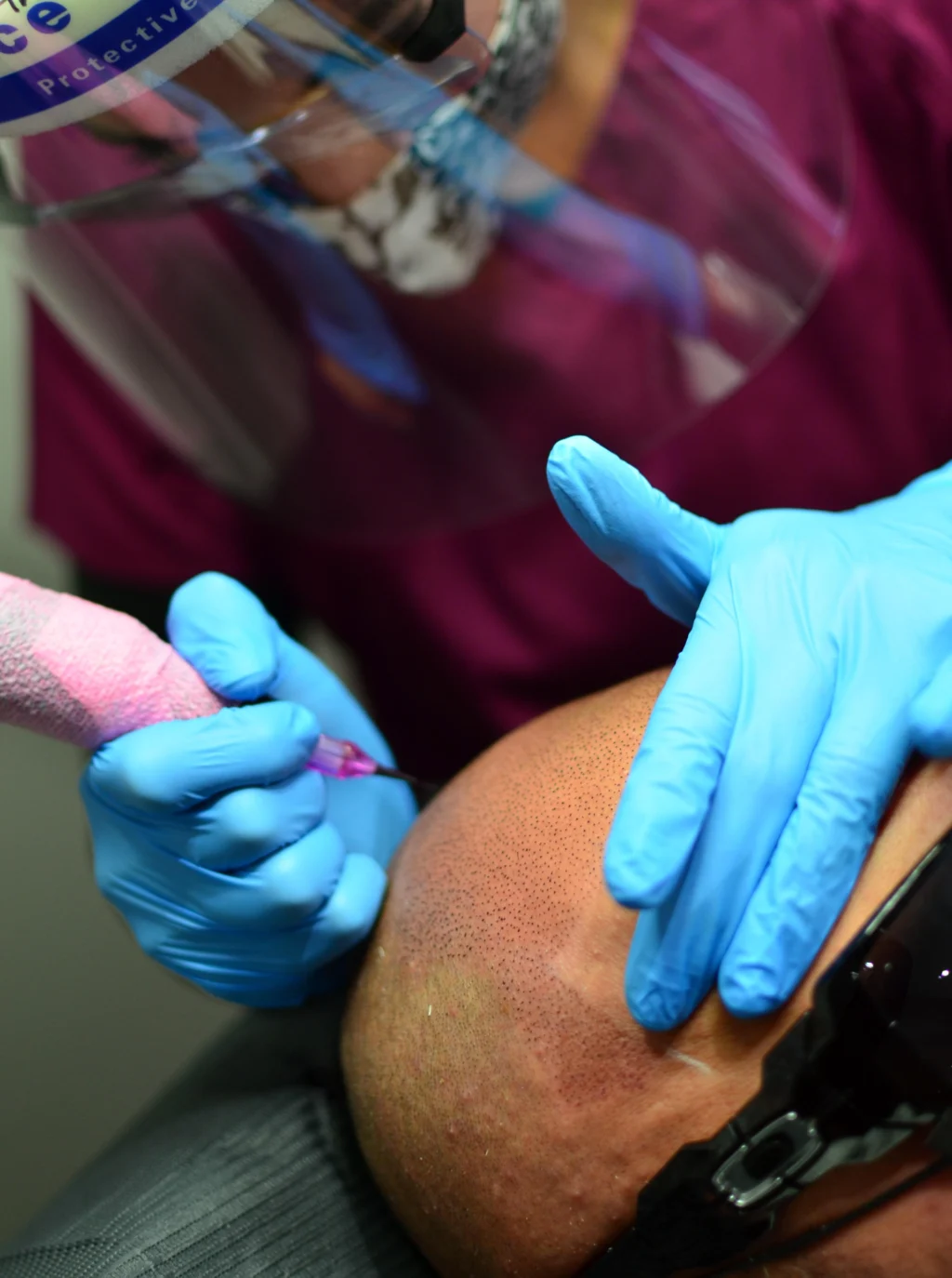
Scalp micropigmentation involves applying small dots of ink onto the scalp to form the illusion of a hairline. It serves as a popular alternative to hair transplants, utilizing ink to mimic hair instead of relying on actual hair follicles. However, it does not produce new hair follicles; it merely colors the hairline to give the impression of natural hair.
Many individuals opt for hair transplants, as indicated by a study from the International Society of Hair Restoration Surgery, which reported over 703,183 hair transplant procedures globally in 2021. However, hair transplants are often painful and expensive, whereas scalp micropigmentation represents a more affordable and non-invasive way to achieve a natural hairline.
The process involves placing an ultra-fine needle beneath the scalp’s surface to deposit ink. As the healing occurs, the ink disperses into many tiny dots that resemble the texture and appearance of real hair. Because there are no incisions, patients typically experience a quicker recovery compared to alternatives like laser removal or electrolysis.
The Importance of Aftercare
Since scalp micropigmentation is not a permanent solution for hair loss, the steps taken for aftercare become vital, as highlighted by ink2scalp SMP Studios. Proper aftercare directs how long your new look will last.
Depending on personal preferences or experience with skincare, aftercare might be performed either by yourself or a professional. While many stores offering beauty and skincare products stock aftercare essentials, obtaining them from the manufacturer is ideal since they provide specific information about their product ingredients.
The majority of manufacturers also operate online stores, allowing you to shop from the comfort of your own home and have items delivered according to your schedule.
Factors Affecting Aftercare
Aftercare for scalp micropigmentation (SMP) varies based on multiple factors. For instance, skin sensitivity can influence how someone reacts to cosmetic procedures. Those with delicate skin may require additional caution throughout the healing stage.
The specific technique the SMP technician employs can also lead to differences in aftercare instructions. Elements such as needle size, depth of pigment application, and overall techniques can affect the recovery timeline. Furthermore, the type of pigment utilized in the SMP session may possess unique care requirements to ensure optimal results and longevity.
The selection and usage of SMP needles also come into play; the NCBI notes that needles may be either single or grouped, ranging from 0.20 to 0.35 mm in diameter. Variations in needle size and handling can also influence aftercare considerations.
Aftercare Recommendations for Scalp Micropigmentation
Here are some essential short-term aftercare tips for Scalp Micropigmentation:
- Avoid direct sunlight: Protect your scalp from sun exposure for at least one week post-procedure. Consider wearing a hat if you must be outdoors.
- Steer clear of swimming and excessive perspiration: Refrain from swimming and strenuous activities for at least a week, as these can undermine the healing process.
- Gently clean your scalp: Use a mild, alcohol-free, fragrance-free cleanser recommended by your technician, employing a soft cloth or your fingers to clean the treated area.
- Refrain from scratching: Do not scratch or pick at the area, as this may disrupt healing and pigment retention.
- Avoid hair care products: For the first few days, avoid using hair products such as shampoos and conditioners on the treated area.
- Limit exposure to steam and hot showers: Over the first week, avoid steam rooms and hot showers that may open pores and hinder healing.
- Minimize touching: Avoid the urge to touch or rub your treated scalp to prevent introducing bacteria and delaying healing.
- Moisturize according to instructions: Follow your technician’s advice on moisturization to avoid dryness and support healing.
- Limit physical exertion: Avoid vigorous physical activities that could lead to excessive perspiration or direct contact with the treated area.
- Keep up with technician appointments: Attend scheduled follow-ups to monitor healing and address any questions.
- Stay away from harsh chemicals: Avoid strong substances found in hair dyes and styling products to prevent irritating the treated area.
- Protect against environmental factors: Shield your scalp from harsh conditions, pollution, and extreme weather to uphold pigmentation quality.
By adhering to these aftercare guidelines, you can achieve the intended results from the SMP process, which may last for several years.
When executed correctly, scalp micropigmentation has the potential to endure for a couple of years or longer. In a survey documented in the Journal of Craniofacial Surgery, it was revealed that 80% of participants who underwent this process in 2021 were satisfied with their outcomes, and all would recommend it to those with thinning hair concerns.
Aftercare Products and Tools
Establishing a robust aftercare routine is essential for keeping your scalp micropigmentation looking its best. Here are some commonly utilized products and tools for aftercare:
Antibacterial/Non-Alcoholic Cleanser:
- Purpose: Keeps the treated area clean and mitigates infection risk.
- Recommendation: Opt for a gentle, non-alcoholic cleanser to prevent irritation.
Specialized SMP Aftercare Creams:
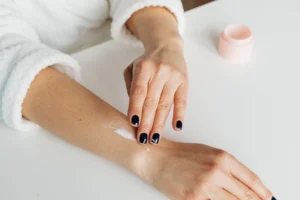
- Purpose: Moisturizes the scalp to avoid excessive dryness and flaking.
- Recommendation: Many experts advise using specific aftercare creams tailored for tattoo healing.
Mild Shampoo:
- Purpose: Cleanses the scalp without irritation.
- Recommendation: Select a gentle, fragrance-free shampoo to minimize potential reactions.
Sunscreen:
- Purpose: Shields the SMP from UV damage that could fade the pigment.
- Recommendation: Use a broad-spectrum sunscreen with a high SPF and reapply regularly, particularly when outdoors.
Silk Pillowcase:
- Purpose: Lessens friction and irritation during rest.
- Recommendation: Silk pillowcases are soft on the scalp, helping to maintain the SMP’s integrity.
Cold Compress:
- Purpose: Eases any initial swelling or discomfort.
- Recommendation: Apply a cold compress intermittently during the initial healing days.
In summary, the aim of scalp micropigmentation is to achieve a natural-looking hairline that endures for years. To ensure success, it is vital to follow the proper aftercare instructions and utilize suitable products and tools. Fortunately, many individuals find these steps straightforward once they grasp what is required based on their own experiences.