In winter, the natural process of skin cell turnover slows down, resulting in uneven texture and excess sebum on the skin’s surface. This can lead to increased bacterial growth and inflammation. Moreover, the combination of cold outdoor temperatures and heated indoor environments disrupts the skin’s natural moisture balance, causing it to become dry, flaky, and prone to cracks.
To combat these issues and maintain healthy skin, it’s crucial to make adjustments to your lifestyle. This includes drinking plenty of water, reducing alcohol consumption, and avoiding smoking (consider alternatives like nicotine-free vape liquids from Blu), as well as following a balanced diet.
Additionally, it’s important to revise your skincare routine to suit the winter weather—just as you would update your wardrobe seasonally. Skincare products should be thoughtfully selected, focusing on their primary function during this period: hydrating the skin. Here are some key guidelines for keeping your skin in great condition throughout the winter months:
Opt for Mild Exfoliation
While winter may seem counterintuitive for exfoliation due to concerns about dryness, it remains a vital part of your skincare regimen. Stopping exfoliation altogether can hinder your skin’s renewal process and reduce its ability to absorb products. Instead of traditional scrubs with harsh granules, opt for gentle alternatives like gommage or creams containing low concentrations of AHA and BHA acids. Your exfoliation frequency should be tailored to your skin type—once weekly for dry skin and up to twice weekly for oily or combination skin.
Incorporate Vitamin C Products
Products infused with Vitamin C are essential in maintaining your skin’s summer glow during the colder months. This powerful ingredient brightens the complexion, strengthens the skin, supports collagen production (helping to retain moisture), and provides protection against environmental aggressors. Additionally, Vitamin C helps create a uniform skin tone and enhances radiance.
When selecting vitamin C-infused skincare items, look for those containing ascorbic acid at a concentration of around 5-10% to minimize irritation while maximizing efficacy.
Maintain Consistent Moisturization
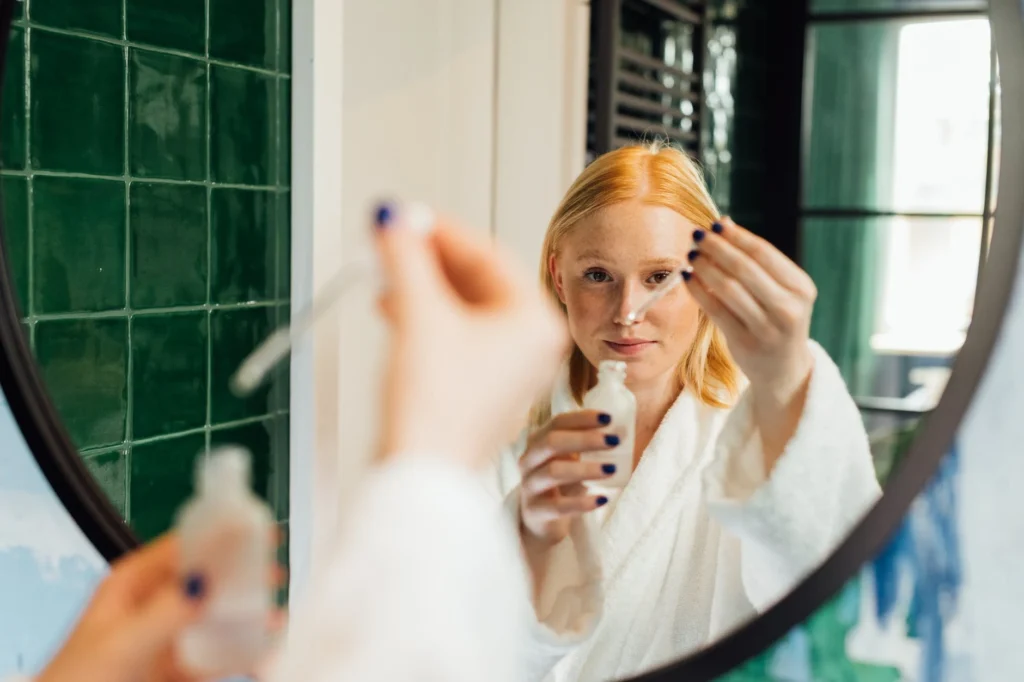
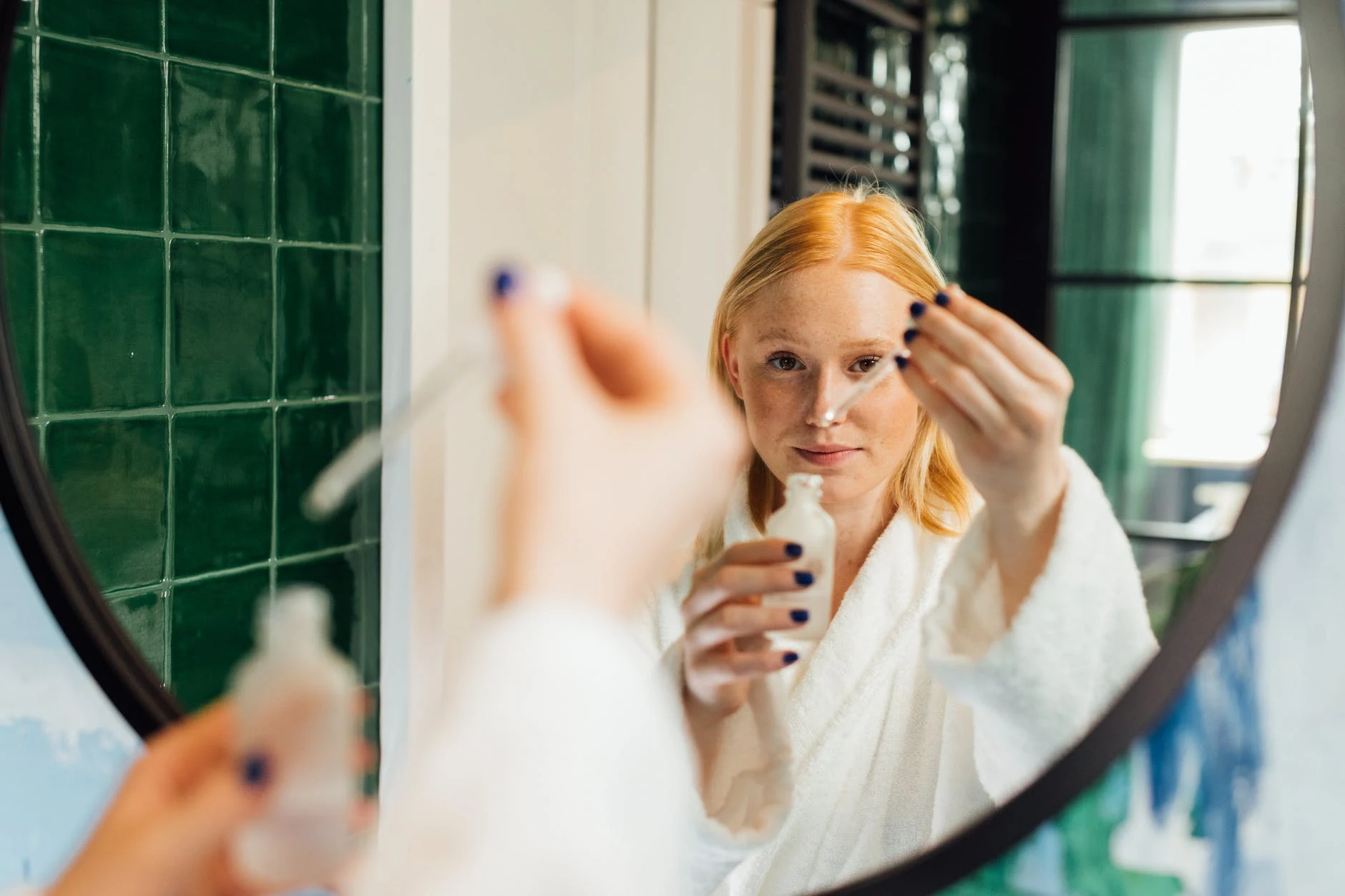
Consistency is key in your skincare routine, particularly regarding moisturizing during winter. Consider enhancing your regular moisturizer by mixing it with serums containing hyaluronic acid, azulene, or Gotu Kola extract. These ingredients hydrate deeply and help repair damaged skin areas.
When choosing a moisturizer, be mindful of its consistency. Lighter fluids and emulsions are unsuitable for winter; instead, opt for creams, which have a richer texture that locks in moisture and creates a protective barrier against the elements.
Change Your Facial Cleanser
As winter sets in, your skin’s sebum production diminishes, increasing the risk of dryness in the upper layers of the epidermis. Therefore, it’s important to use milder cleansing products to prevent stripping away essential oils and disturbing your skin’s hydrolipidic barrier. If you’re accustomed to gel or foam cleansers, consider switching to cream or oil-based formulations as temperatures drop.
For makeup removal, creams, oils, balms, or micellar water are excellent choices during the winter, offering thorough cleansing without compromising the skin barrier.
Prioritize Sunscreen
It’s vital to incorporate SPF into your winter skincare routine, as UV rays remain a threat even in colder weather. Regularly apply sunscreen to your face and any exposed areas such as your neck, ears, and hands.
Care for Your Body, Hands, and Lips
After adjusting your skincare routine for winter, don’t overlook the rest of your body. Here are a few essential tips:
Body Care
After a long day in cold weather, it’s tempting to take a hot shower, but this can lead to rapid skin dryness. Without immediate moisturization, your skin can become flaky and cracked, especially for those with chronic conditions like eczema. You might find Goat Milk Soap beneficial for its gentle, eczema-friendly properties.
Remember to shower with warm water and use products with creamy or oily textures that are low in foam. Post-shower, apply a moisturizer—whether lotion, cream, or balm—to safeguard your skin barrier and lock in hydration. Look for ingredients like hyaluronic acid, ceramides, wheat germ, and vitamin A in your chosen moisturizer.
Hands and Feet Care
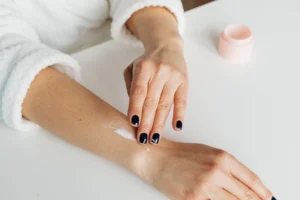
Unlike other areas, hands and feet lack sebaceous glands, making them more prone to dryness. To protect your hands in winter, apply a thick hand cream at least 30 minutes before going out and wear gloves to retain moisture. For your feet, use creams containing glycerin or petroleum jelly, and remember to exfoliate weekly to remove dead skin and promote better circulation.
Lips Care
The lips feature thinner skin compared to other facial areas, making them especially vulnerable to cold and windy conditions. To prevent chapping and flaking, consistently apply a lip balm throughout the day. Opt for an ointment-based balm that includes sun protection while avoiding those with camphor, eucalyptus, or menthol.
Final Thoughts
As demonstrated, keeping your skin hydrated throughout winter to prevent drying, flaking, and chapping involves thoughtful product selection and attention to all areas—including your hands, lips, and feet. By remaining diligent with your skincare regimen and switching to winter-friendly products, achieving a healthy complexion during this season is achievable!
Don’t forget the importance of daily SPF, avoid excessively hot showers, select heavier moisturizers, and keep your hands warm—doing so ensures that winter doesn’t leave a lasting impact on your skin.