
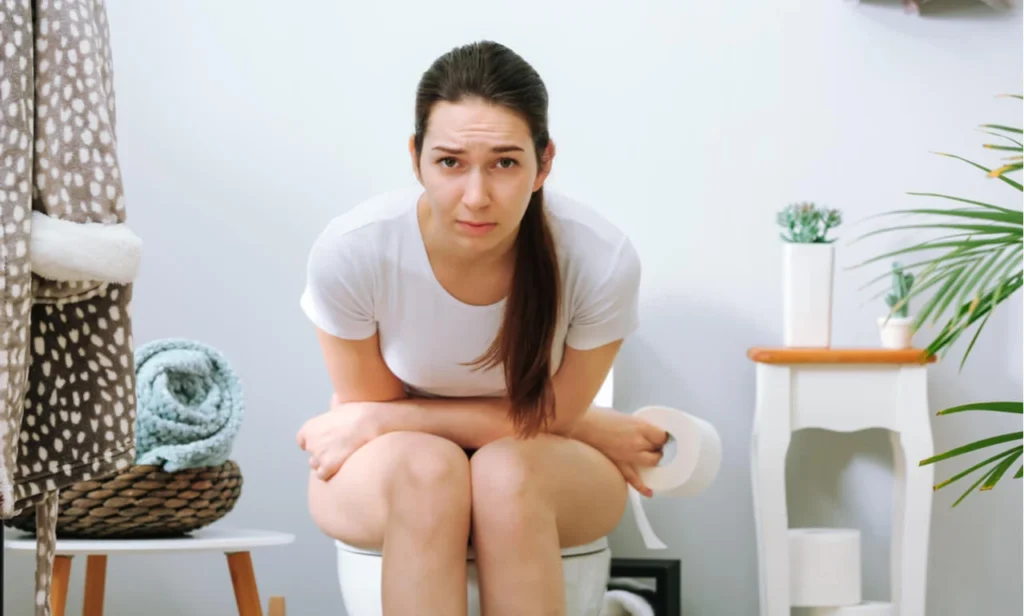

Constipation is a prevalent health concern. The National Institute of Diabetes and Digestive and Kidney Diseases (NIDDK) indicates that approximately 16% of adults in the United States experience constipation symptoms, with that figure rising to about 33% among those aged 60 and older.
This article will explore the nature of constipation and introduce six strategies that may alleviate this uncomfortable condition. Let’s dive into the details!
Understanding Constipation
Constipation is characterized by having fewer than three bowel movements each week or experiencing difficulty during bowel movements.
The reasons behind constipation can differ significantly, but it is typically indicative of an underlying issue rather than an ailment itself. Regardless of the cause, constipation can cause significant discomfort and may lead to more serious health complications, making timely treatment essential.
Below are six effective approaches that might assist in alleviating constipation symptoms:
- Incorporate a Fiber Supplement
An effective way to counter constipation is by utilizing a fiber supplement. These can help to bulk up and soften stools, promoting smoother passage through the intestines. There is a wide variety of fiber supplements available, both online and in stores; examples include calcium polycarbophil (FiberCon) and psyllium (Metamucil, Konsyl).
Keep in mind that it may take between 12 to 26 hours for fiber supplements to produce effects.
- Consume High-Fiber or Probiotic Foods
Another strategy is to incorporate foods rich in fiber or probiotics into your diet. For instance, whole wheat pasta, barley, chickpeas, oats, brown rice, beans, and lentils are all excellent sources of fiber, performing similarly to fiber supplements in aiding digestion.
Probiotic-rich foods such as yogurt, kefir, sauerkraut, kombucha, pickles, and kimchi can also be beneficial. They improve gut health, which in turn aids in digestion.
Avoid foods that can exacerbate constipation, including meat, fast food, frozen meals, and other processed items.
- Increase Water Intake
The National Academy of Medicine recommends that men should drink about 13 cups and women 9 cups of water daily.
Staying hydrated is crucial when dealing with constipation, as it helps facilitate stool movement through your digestive system and can prevent future constipation caused by dehydration.
- Engage in Physical Activity
Surprisingly, regular movement can significantly impact constipation relief. Physical activity boosts blood flow to the abdominal region, which can aid in digestion.
This does not require rigorous workouts; even gentle exercises like walking or yoga are beneficial.
Additionally, adopting a squat position while using the restroom may further assist in easing the process.
- Utilize a Laxative
Laxatives can also be employed to facilitate bowel movements. There are three main categories of laxatives:
- Osmotic laxatives work by drawing fluids into the colon and may take 2-3 days to produce results.
- Stimulant laxatives induce bowel contractions to promote movement, typically designed for more stubborn cases of constipation; effects can be felt within 6-12 hours.
- Lubricant laxatives coat the intestines and the stool, helping to maintain moisture and ease its passage. Mineral oil is a common example.
Over-the-counter laxatives are readily available at pharmacies or online retailers.
- Consider an Enema or Suppository
If previous methods haven’t provided relief, exploring an enema or a suppository could be beneficial.
These options can soften stool to facilitate bowel movements. Common types of rectal suppositories include glycerin or bisacodyl.
When to Consult a Healthcare Provider
If dietary changes, physical activity, and self-administered remedies aren’t effective, it may be time to consult a healthcare professional. A pelvic floor therapist can offer assistance in addressing more severe or chronic constipation.
Seek medical attention especially if experiencing symptoms like weight loss, rectal bleeding, decreased appetite, nausea, vomiting, or chronic abdominal pain.
Chronic constipation can impede daily functioning and focus. However, it is a manageable condition for most. Through experimentation with different strategies, you can identify the most effective solution for yourself.