

Are you aiming to promote the health of your knee joints? As we grow older, taking particular care of our joints, especially the knees, becomes essential. Consuming the right foods can significantly support joint health and mitigate inflammation in the knee joints, enabling you to remain active and healthy. Below are six hearty food recommendations that could enhance your knee joint health.
Seeds and Nuts
Seeds and nuts serve as some of the richest sources of healthy fats alongside essential nutrients like magnesium, zinc, vitamin E, and omega-3 fatty acids. Incorporating these foods into your diet can aid in reducing inflammation within your knee joints while providing vital vitamins and minerals. Top choices include sunflower seeds, flaxseeds, pumpkin seeds, almonds, walnuts, and cashews.
If, however, you notice a deterioration in your knee condition, consulting a healthcare provider is advisable. For severe pain, a doctor may suggest a bilateral knee procedure, wherein your knee joint is replaced with a metal-plastic alternative to enhance mobility and facilitate quicker recovery. It remains crucial to continue consuming seeds and nuts post-surgery for sustained joint health.
Leafy Greens
Leafy greens are a fantastic source of vitamins A, C, and K, which are vital for maintaining knee joint health. Regular consumption of these vegetables can minimize inflammation and strengthen your joints. Include options such as kale, spinach, collard greens, and Swiss chard in your meals.
There are countless delicious ways to enjoy these nutrient-rich foods, from salads and soups to smoothies and stir-fries. Remember, the darker the leafy vegetable, the higher its nutrient content. Don’t hesitate to try various options alongside your regular favorites. Dark green leafy vegetables are also low in calories, making them an excellent way to add volume to your meals without excessive carbohydrates.
Coldwater Fish
Fish from cold waters, such as salmon, tuna, and mackerel, are abundant in omega-3 fatty acids, which can play a role in lowering knee joint inflammation. Consuming these types of fish at least twice a week can support overall joint health.
Additionally, coldwater fish are rich in vitamin D, a crucial nutrient for joint well-being. Whenever feasible, choose wild-caught fish over farmed versions. For those following a vegan or vegetarian diet, plant-based sources of omega-3s like flaxseeds can serve as an effective substitute. These fish can be enjoyed through various cooking methods, including baking, grilling, and roasting.
Legumes
Packed with fiber, protein, and essential vitamins and minerals, legumes are excellent choices for supporting knee joint health. Regular consumption of legumes can help decrease inflammation, enhance digestion, and fortify your joints.
Including legumes in your cooking is straightforward—simply toss them into soups or stews for additional heartiness, or enhance your guacamole with black beans for a protein boost. Great legumes to consider adding to your diet are lentils, chickpeas, black beans, and kidney beans.
Whole Grains
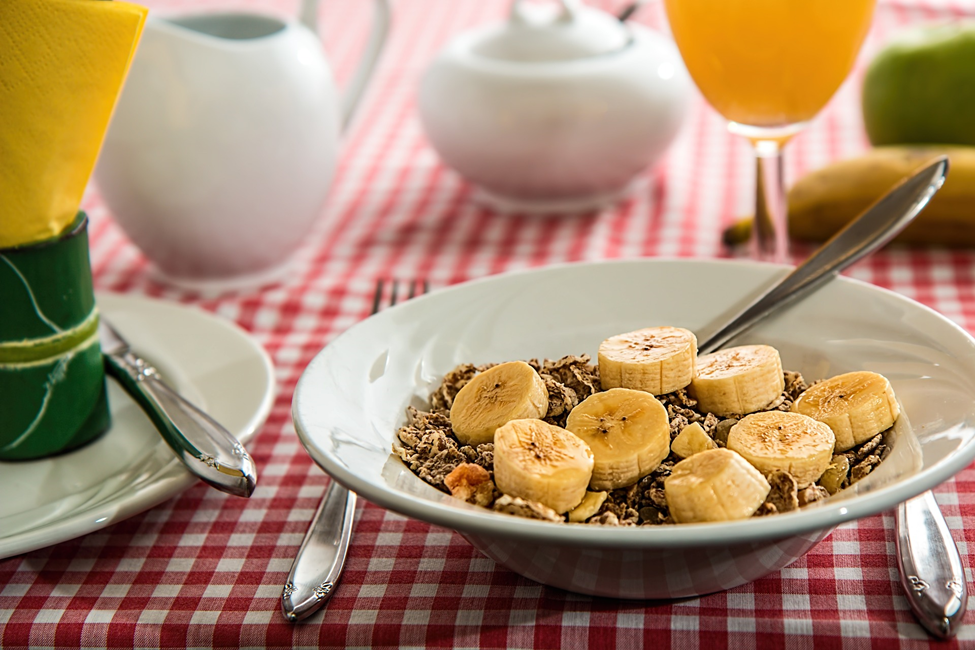
Whole grains offer essential vitamins and minerals critical to joint health, including magnesium, vitamin E, selenium, manganese, and zinc. Integrating these foods into your diet can mitigate knee joint inflammation and provide sustained energy throughout the day.
Some optimal whole grains to incorporate include oats, quinoa, brown rice, buckwheat, farro, and barley. These can be added to salads or grain bowls for a flavorful and satisfying meal. Whole-grain bread and pasta also make great additions to your diet for nutritious and delicious meals.
If you’re seeking a simple way to increase whole grain intake, consider swapping out some white bread or processed foods for healthier options like brown rice or quinoa.
Olive Oil

Olive oil is an excellent provider of healthy fats, essential for diminishing inflammation in knee joints. Replacing butter or conventional cooking oils with this monounsaturated fat can lead to long-term benefits for joint health. You can enhance salads and vegetables with extra-virgin olive oil for extra flavor or use it for sautéing or baking to create nourishing meals.
Incorporating olive oil into your diet could alleviate joint pain and stiffness while potentially lowering the risk of chronic conditions like osteoarthritis. Ensure you choose high-quality extra-virgin olive oil to maximize health benefits. Its versatile nature makes it a great addition to nearly any dish.
By integrating these food types into your meals, you can help maintain strong and healthy knee joints. A well-rounded diet abundant in whole grains, legumes, dark leafy greens, coldwater fish, and olive oil offers lasting benefits for joint health. Be sure to include these foods in your daily meals for optimal results.