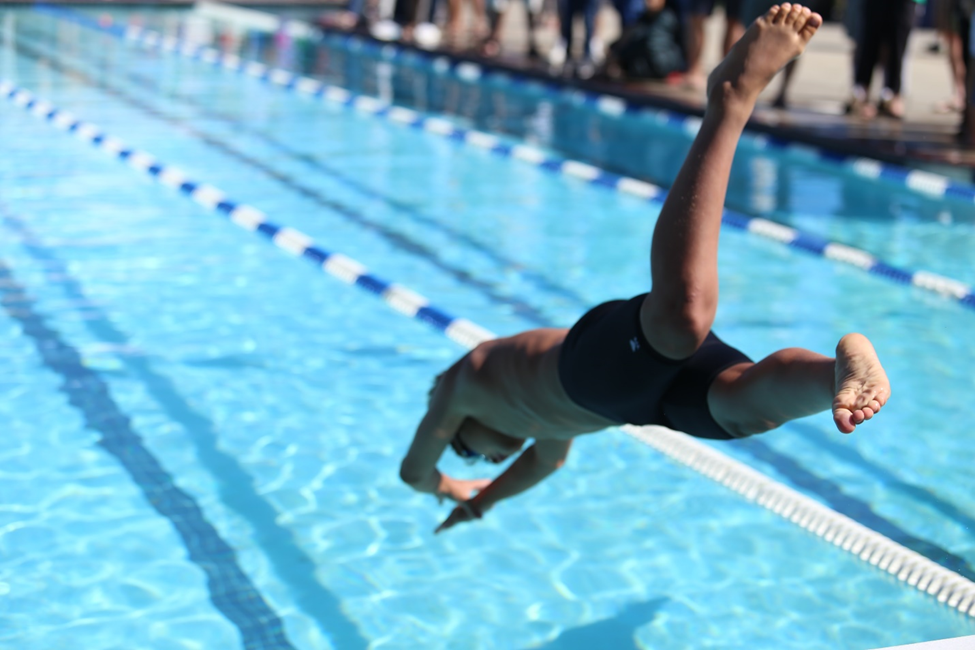
Engaging in swimming not only serves as an enjoyable leisure pursuit but also enhances fitness levels. For further insights into swimming as a recreational activity, keep reading.
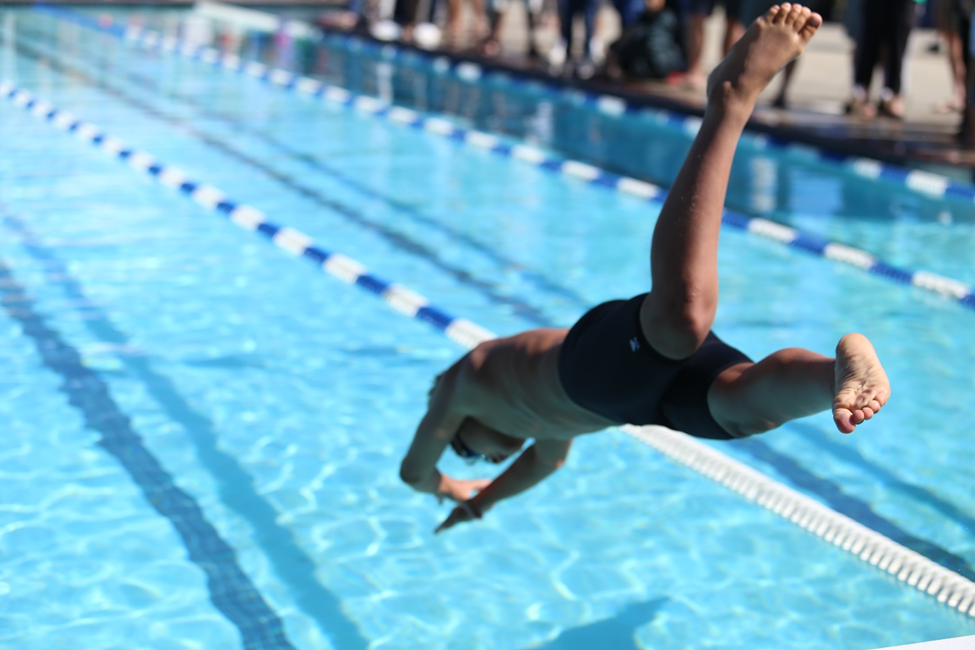
Swimming is recognized by people from various backgrounds as a beneficial exercise, an enjoyable hobby, and an effective way to stay fit. Suitable for all ages, swimming provides an excellent workout, making it accessible from childhood through to the senior years.
Hence, if you are contemplating whether swimming is the right hobby for you, read on for more information.
Understanding Swimming and Its Potential as a Hobby
Swimming can be practiced as a team or individual sport, characterized by the movement through water using one’s own body. It can take place in various environments, such as lakes, rivers, oceans, or in either public or private swimming pools. Swimming is a well-loved pursuit, both recreationally and competitively.
Individuals of all ages engage in swimming for fun or sport. As a low-impact activity, recreational swimming offers multiple health benefits, contributing positively to mental and physical well-being. It provides a soothing outlet that enhances relaxation during leisure time.
In addition to being enjoyable, swimming is an excellent means of improving fitness, maintaining health, and forging new friendships. Some popular swimming techniques include:
- Backstroke
- Breaststroke
- Freestyle
- Sidestroke
Demographics of Swimming Enthusiasts
Swimming is a sport open to everyone, regardless of fitness level. From toddlers to older adults, people from all walks of life enjoy swimming. Those who start swimming in their youth often develop it into a lifelong skill and passion.
Swimming welcomes participants of all ages and abilities, a fact evident when one visits any community pool.
Advantages of Swimming as a Hobby
Swimming benefits various aspects of health, including physical fitness as well as mental and emotional health. Here are just a few perks of adopting swimming as a leisurely pursuit:
Enhanced Sleep Quality
This could be one of the most significant health benefits associated with swimming.
Regular swimming can lead to improved sleep quality. For individuals struggling with sleep-related issues, occasional swims may aid in achieving better rest.
Boosts Mood
Exercise triggers the release of endorphins, which can uplift mood. Swimming is an enjoyable form of exercise that typically makes participants feel happier.
For individuals dealing with mental health issues such as anxiety or depression, taking up swimming can be particularly advantageous.
Low-Impact Nature
Compared to more strenuous activities like jogging or weightlifting, swimming is gentler on the joints. It is an excellent option for individuals recovering from injuries, those with arthritis, or even expectant mothers.
Effective Calorie Burner
Swimming is an effective way to burn calories, engaging the entire body. Regular laps at the pool can contribute to weight loss.
Are There Any Drawbacks to Taking Up Swimming as a Hobby?
While swimming is generally a fantastic way to stay fit, there are some potential drawbacks to consider. Prolonged exposure to water, whether in a swimming pool or natural body of water, can pose certain risks.
Below are some possible downsides to swimming as a hobby:
- Risk of Drowning: This is perhaps the most notable risk associated with swimming. Beginners are particularly susceptible. Caution is advised when in any water setting.
- Chlorine Exposure: While chlorine is used to disinfect pools, excessive exposure can lead to skin dryness, headaches, and eye irritation.
- Fungal Infections: Swimmers may be prone to fungal infections like athlete’s foot, particularly if hygiene measures are overlooked.
Starting Your Swimming Journey
Getting started with swimming is straightforward and accessible to all fitness levels. However, certain preparations are essential before diving in.
The first step is to locate a safe and appropriate swimming venue. Most regions feature public swimming pools that are open to all. For newcomers to swimming, hiring an instructor may be advisable.
Essential Gear
The fundamental requirement for swimming is a swimming costume, whether it be bikinis, trunks, or shorts. For an enhanced swimming experience, various additional accessories can be purchased.
If you plan to swim underwater, goggles are vital. Parents should encourage their kids to wear goggles to protect their eyes from chlorine. For young learners, floatation devices like arm bands and rings can be essential for safety.
Serious swimmers might invest in paddles, gloves, caps, and fins to improve performance. Equipment can be purchased either online or at local sporting goods stores.
Initial and Ongoing Costs
Initial expenses for swimming typically include gear and equipment. Costs may vary depending on your choices.
Next, secure a suitable location for swimming. Most areas offer public pools where lessons from certified instructors are available, likely requiring a fee for access. Natural bodies of water, however, are often free.
Activities Related to Swimming
Gymnastics shares similarities with swimming, as both involve various movements utilizing different body parts akin to popular swimming strokes.
Dancing is another comparable pastime that involves rhythmic body movements similar to those found in swimming.
Alternatives to Swimming as a Hobby
Swimming can be a demanding sport, particularly at the competitive level. Therefore, diversifying your interests to unwind after a long day in the pool can be beneficial.
While swimming may be your primary hobby, having additional interests such as cooking, music, or meditation can help you relax outside of the aquatic environment.
Can Swimming Become a Source of Income?
Although swimming is not typically seen as a lucrative sport compared to fields like football, basketball, or tennis, professional swimmers can still generate income by winning competitions or gaining sponsorships from brands. These mainstream sports tend to receive greater global visibility. However, statistics indicate that swimming is more prevalent among both adults and children than generally perceived.
- In Australia, approximately 2,984,880 adults over 15 (14.8% of this demographic) engage in swimming.
- By November 2022, around 3.8 million adults in England had participated in at least two swims, an increase of 1.8 million from the previous year.
- In 2018, Singapore saw over 6 million residents and tourists using swimming pools.
Becoming a professional swimmer requires extensive commitment from a young age. If you aim to make swimming a source of income right as you start, betting on swimming may be an alternative. Although competitive swimming garners significant attention during the Summer Olympics, betting opportunities are limited outside of these events. There are various competitions featuring different stroke styles, indicating the sport has the potential for growth in this area.
Events such as the Swimming World Cup and European Championships hold promise, but the demand for betting on swimming remains relatively low. Nonetheless, public interest could lead to expanded offerings on betting platforms, especially around these major competitions.
Ultimately, regardless of age, most public swimming facilities offer diverse classes for learning how to swim, whether in group settings or one-on-one instruction.