

While some individuals may wish for larger breasts, it is crucial to note that excessively large breasts can bring about a variety of health complications. Conditions like neck and back pain, as well as finger numbness, are often reported. Moreover, oversized breasts can be associated with frequent migraines and, in certain cases, breathlessness. These physical problems can hinder everyday activities, such as exercising, carrying children, or handling routine tasks, leading to a decline in overall health due to decreased physical activity.
Additionally, women with fuller breasts may encounter intertrigo, a skin issue characterized by a rash that arises from friction, moisture, and heat, which is commonly found in the skin folds under the breasts where they come into contact with the torso.
How to Address These Concerns?
For women facing health challenges related to oversized breasts, doctors often suggest breast reduction surgery as the most effective measure. While alternatives such as physical therapy, ergonomic adjustments, and pain relief medications may provide temporary relief, they do not offer long-term solutions. For enduring results and to address the underlying issues, breast reduction surgery is recommended.
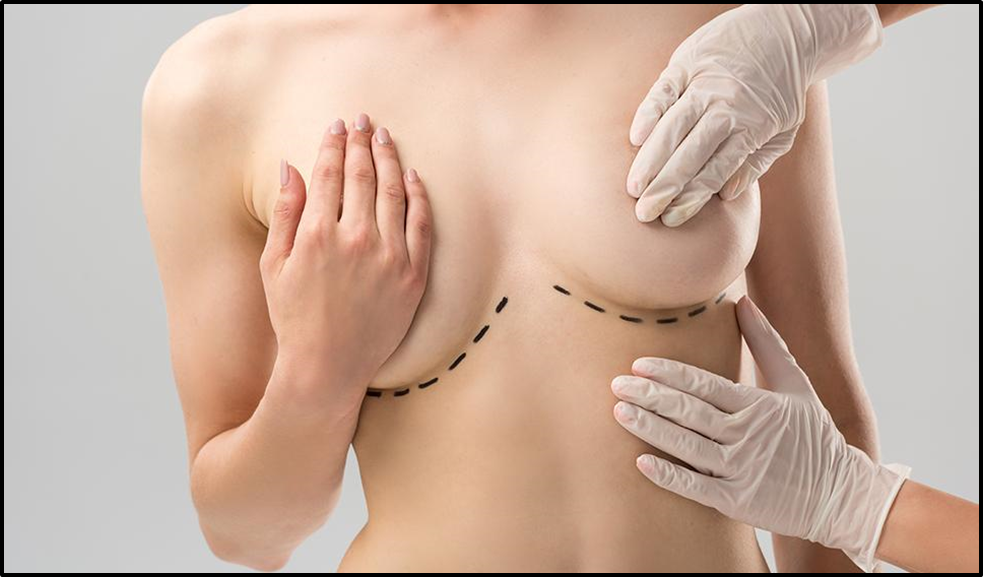
This surgical procedure, which combines therapeutic and cosmetic benefits, involves the excision of excess breast tissue to create a more balanced body shape. Aesthetics go beyond size, as overly large breasts can lead to discomfort, which surgeries like breast reduction can successfully alleviate. The operation, performed under general anesthesia, generally lasts between three to five hours, depending on the volume of tissue removed.
Post-Operative Recovery from Breast Reduction Surgery
Although the recovery following breast reduction surgery is usually smooth, patients should anticipate pain and swelling, particularly in the initial two weeks. Most individuals can return to regular activities within two to three weeks post-surgery, including light housework or office duties. However, the timeline for recovery can differ based on factors such as age, overall health, and the specifics of the surgical procedure. Below are some common recovery milestones:
Day One
Following the surgical procedure, an overnight hospital stay may be necessary. It’s advisable to have assistance at home during the first week of recovery. Patients should keep the surgical sites and dressings dry for at least 24 hours, avoiding hot water, and refrain from alcohol and smoking during the healing process.
Week One
A compression bra will be required throughout the day, even during sleep. The bra should only be removed for bathing. Light activities such as walking can be encouraged while the primary focus remains on rest and recuperation.
Following a healthy diet and staying hydrated are crucial for optimal recovery. It’s also important to adhere to the surgeon’s medication recommendations and avoid any intense lifting or rigorous activities during the healing phase.
Week Two
During the second week, patients may notice tightness and itchiness around the surgery site. Keeping the incisions moisturized with creams can help relieve discomfort. Physical activity will still be restricted, and it is essential to maintain a low-sodium diet with good hydration.
One Month
After approximately one month, many individuals will begin to feel more like themselves. By this time, much of the swelling should have diminished, discomfort significantly reduced, and tightness around the breasts will likely have subsided. Most daily activities can usually be resumed, with continued restrictions on heavy lifting and intense exercise.
Four Months Post-Surgery
At the four-month mark, patients generally find they can return to most normal activities, including their exercise regimens, but should still be cautious about exerting pressure on the treated area.
Expected Outcomes from Breast Reduction Surgery
Most women will start observing the initial benefits of their breast reduction within four to six weeks post-surgery. They might experience reduced discomfort in the back, shoulders, and neck, while clothing fits more comfortably. As time progresses, these improvements typically continue to enhance.
Final Thoughts
Breast reduction surgery can significantly enhance a woman’s quality of life. Those who undergo this procedure frequently report notable relief from chronic back pain. Additionally, beyond alleviating physical symptoms, this surgery aims to maintain a natural breast shape and enhance symmetry, particularly for those recovering from breast cancer treatments.