
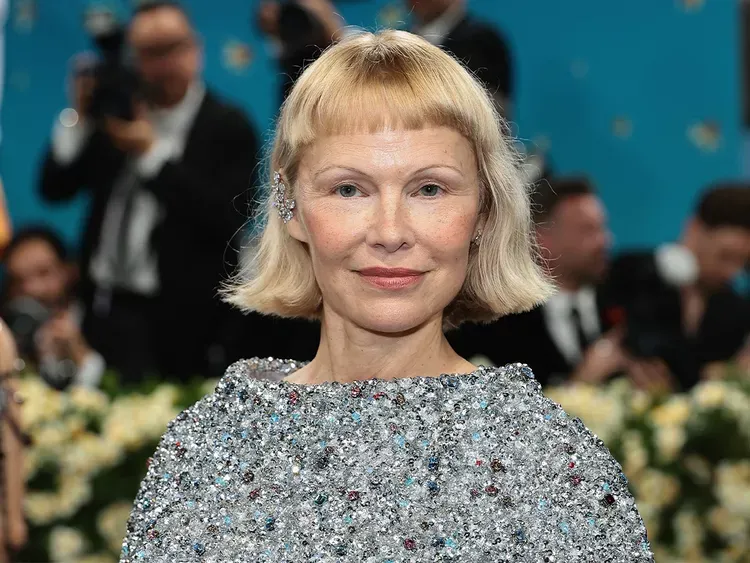

Micro bangs are an emerging hairstyle trend in the United States, generating significant buzz. These fringes, positioned well above the eyebrows, deliver a bold and expressive look that captivates attention. Many individuals opt for micro bangs as they convey confidence, cutting-edge style, and distinctive personality without necessitating a drastic haircut. Although they seem straightforward, micro bangs entail specific styling techniques, considerations for various face shapes, and maintenance practices. This guide presents all of this information in an approachable manner to help readers evaluate whether this trend aligns with their preferences. The aim is to demystify short fringes and make them feel more approachable for those interested in this burgeoning style.

Defining Microbangs and Their Continued Popularity
Microbangs are defined as a fringe style that rests several inches above the eyebrows, often revealing more forehead than typical bangs. This hairstyle can complement short, medium, or long hair and may be blunt, soft, or textured. Their rising popularity can be attributed to the bold look that exudes confidence and is heavily featured on social media, runways, and styled by celebrities. The trend’s appeal lies in its contemporary and expressive nature, which requires minimal layering and complex shaping. Even individuals with little styling skill can manage micro bangs with appropriate guidance. The enduring popularity of this style lies in its creative balance with simplicity, providing a fresh focus for any haircut.

Who Best Fits Microbangs and How to Assess the Look
While microbangs can complement a variety of people, they particularly enhance facial features when the fringe creates a harmonious balance. Those with oval, heart-shaped, or square faces often find micro bangs to be flattering, as they emphasize the eyes and cheekbones. Even individuals with round faces can wear this style, but opting for softer edges or texturized cuts may provide a more natural appearance. It’s important for anyone considering micro bangs to reflect on how much of their forehead they are comfortable displaying and how they feel about a striking frame around their eyes. Hair texture is also a significant factor. Straight or gently wavy hair tends to suit micro bangs, while very curly hair may require extra styling. Ultimately, the choice should be driven by personal style and comfort, rather than solely by facial shape.

Preparing for a Microbangs Cut
Getting ready for microbangs requires thoughtful preparation. It’s advisable to bring along several reference images to your stylist illustrating the desired length and shape. Even minor adjustments can have a significant impact when it comes to such a short fringe. It’s essential to discuss your lifestyle, styling routines, and your willingness to maintain frequent trims, as micro bangs can grow out quickly and may lose their intended shape in just a few weeks. Additionally, consider your forehead skin care since micro bangs leave the forehead uncovered, prompting some to modify their skincare regimen to ensure a smooth and clean appearance. Thoughtful preparation contributes to a more intentional look rather than an unexpected one.

Different Styles of Microbangs and Their Impact on Overall Appearance
The variety of microbangs may surprise many. Blunt micro bangs provide a straight-across cut, creating a bold and striking effect. Textured micro bangs offer a lighter and more casual feel, well-suited for softer features or natural waves. Curved micro bangs follow the natural line of the forehead, resulting in a more balanced and gentle appearance. Baby micro bangs are extremely short and sit high above the brows, forming a dramatic style that accentuates the eyes. Each variation shifts the energy of the haircut in unique ways, allowing for personal expression. Subtle styles exude playfulness, while blunt cuts convey strength and directness. With numerous styles available, it’s easy to find the perfect match for anyone’s desired confidence level.

Home Styling Tips for Microbangs
Styling micro bangs is straightforward once you grasp some fundamental techniques. A small round brush is helpful for shaping the fringe while avoiding puffiness. Many find that drying microbangs immediately after washing prevents unwanted curls or bends. Lightweight creams or balms can provide hold, but using heavy products may weigh the fringe down. Caution should be exercised when using straighteners, as small sections can easily become overly flat with too much heat. On busy days, a quick spritz of water followed by a gentle blow dry can quickly revive the shape. These easy steps render micro bangs one of the most manageable fringe styles for home styling, even for novices.

Routine Maintenance and Trim Frequency for Microbangs
Regular trims are essential for the upkeep of microbangs, as even slight growth can alter the style dynamically. Most individuals visit the salon every two to three weeks to maintain the length just above the brows. While some opt to learn gentle at-home trimming techniques, beginners should approach this cautiously to avoid cutting too short. Regularly washing the forehead helps prevent oils from weighing down the fringe. Since micro bangs are positioned away from the face, they also sidestep some of the smudge issues associated with longer bangs. Maintaining a simple routine keeps the style looking fresh and tidy. Although maintenance might sound daunting, the entire upkeep process can be completed in just a few minutes when done consistently.
Comparative Overview: Microbangs vs. Traditional Bangs
| Characteristic | Microbangs | Traditional Bangs |
|---|---|---|
| Length | Above the brows | At or below the brows |
| Styling Time | Minimal | Moderate |
| Impact | Striking | Moderate |
| Forehead Coverage | Limited | Full |
| Trim Frequency | High | Moderate |
Distinguishing Features of Microbangs
Microbangs possess unique characteristics that differentiate them from other fringe styles. They draw focus to the eyes, frame the face with personality, and provide a contemporary aesthetic that complements various hair lengths. The short fringe reduces heat on the forehead, making them ideal for those who prefer a lighter hairstyle. Moreover, micro bangs seamlessly integrate with layered cuts, bobs, and long hair, showcasing versatility. Many favor microbangs for their expressive qualities without demanding excessive daily styling effort. This look establishes a strong personal identity while remaining suitable for both professional and casual environments.
Summary of Key Points
-
Microbangs present a bold, contemporary appearance.
-
They flatter a variety of face shapes when tailored appropriately.
-
Maintenance is straightforward but requires frequency.
-
Multiple variations allow for customization of intensity.
-
Styling is quick and easy with basic tools.
Final Thoughts
Microbangs maintain their rise in popularity as they provide a self-assured, innovative method to update any hairstyle. They stand out without overwhelming, complement a variety of hair textures, and allow for personal experimentation. Individuals contemplating micro bangs should assess their lifestyle, maintenance preferences, and comfort with a daring style. When paired with the appropriate haircut and styling regimen, microbangs can evolve into a timeless and expressive signature look.
Frequently Asked Questions
Are micro bangs difficult to style?
Not at all. They require only a few minutes for styling and minimal product.
How quickly do micro bangs grow out?
Typically, they need a trim every two to three weeks.
Can curly hair pull off micro bangs?
Yes, but some shaping and soft texturing will help them sit naturally.
Do micro bangs look good with long hair?
They harmonize well with long, medium, and short hairstyles.