

Are Alanis Bad for You? Essential Information Before Consuming Alani Nu
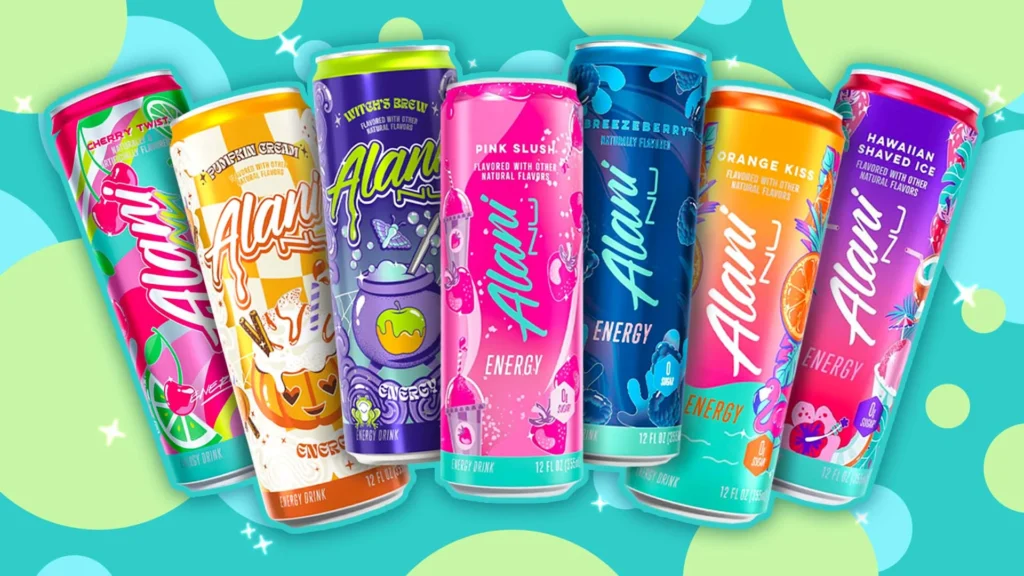
If you’ve ever ventured into an energy drink section in the United States, you’re likely to have spotted Alani Nu, with its vibrant pastel cans advertising a clean energy boost and zero sugar content. Fans appreciate their flavors, caffeine kick, and low caloric value. Still, the ongoing debate persists online: are alanis bad for you?
This guide delves into the ingredients found in Alani Nu energy drinks, their impact on health, potential side effects, the demographics that should steer clear, and a comparison with other favorite energy drinks. With the varying viewpoints circulating, examining the merits is crucial rather than relying on hearsay.
While Alani Nu drinks are not inherently harmful for everyone, they do contain caffeine, which brings its own set of benefits, risks, and safety factors. Recognizing these will aid you in determining if they should be a regular part of your routine or reserved for special occasions.
What Are Alani Nu Energy Drinks?
Alani Nu is recognized for its range of supplements, pre-workouts, and low-calorie energy beverages. Each can packs approximately 200 milligrams of caffeine, comparable to about two cups of coffee. They boast zero sugar, roughly 10 calories, and often feature vitamins like B6 and B12.
The primary attractions include:
-
Rapid energy increase
-
No crash aftereffect
-
Enticing flavors, including Breezeberry, Mimosa, Blue Slush, and Hawaiian Shaved Ice
-
Minimal calorie content
-
No added sugar
Despite their cheerful branding, the caffeine level remains significant, leading consumers to question if alanis are unhealthy, particularly with regular consumption. The answer hinges on individual tolerance, health conditions, and frequency of caffeinated product use.
Key Ingredients in Alani Nu (And Their Functions)
To comprehend the inquiry “are alanis bad for you,” it’s essential to analyze the primary ingredients:
1. Caffeine (200 mg per can)
Caffeine is the highlight of these drinks. It enhances alertness, improves focus, and elevates energy levels but may also lead to jitters, sleep disturbances, and increased heart rates if over-consumed.
2. Sucralose
This artificial sweetener contributes a sweet taste without using sugar. Although generally safe in moderation, some individuals may react negatively to artificial sweeteners, experiencing symptoms like bloating or headaches.
3. B Vitamins
B6 and B12 are vital for energy production and metabolic functions, and since they are water-soluble, excess amounts are excreted from the body.
4. Taurine & L-Carnitine
Common in various energy drinks, these amino acids promote endurance and focus.
5. Carbonated Water & Natural Flavors
These components provide the fizzy and refreshing qualities as well as taste.
While these ingredients are typically regarded as safe for healthy individuals when consumed sensibly, ingesting multiple cans daily or mixing them with coffee may elevate caffeine intake to dangerous levels.
Are Alanis Bad for You? The Brief Answer
No, Alani Nu energy drinks are not inherently harmful, but they can pose risks if consumed excessively or by those with specific health concerns. Generally, one can per day is safe for most healthy adults. Issues typically arise when individuals surpass the recommended caffeine intake or mix energy drinks with additional stimulants.
The term “are alanis bad for you” frequently trends online in response to experiences such as:
-
Accelerated heartbeat
-
Difficulty sleeping
-
Mild anxiety
-
Gastrointestinal discomfort
-
Headaches
Most of these symptoms relate to excessive caffeine consumption rather than the drinks themselves; however, tolerance levels can differ among individuals.
Possible Side Effects of Alani Nu Energy Drinks
Frequent consumption of alanis or heightened sensitivity to stimulants may lead to side effects. Recognizing these can help you assess whether alanis are unsuitable for you.
1. Jitters or Shakiness
A typical reaction to caffeine excess, especially on an empty stomach.
2. Elevated Heart Rate
Energy drinks may cause temporary spikes in heart rate and blood pressure.
3. Insomnia or Restlessness
Caffeine can remain in the system for up to 10 hours.
4. Digestive Distress
Artificial sweeteners might induce bloating in some individuals.
5. Mild Anxiety
Stimulants can heighten feelings of anxiety or tension, particularly in sensitive persons.
If you consistently experience these symptoms, it may indicate that alanis are not suitable for you, or that your body does not respond well to them.
Who Should Steer Clear of Alani Nu Energy Drinks?
While many individuals can consume alanis without issue, certain groups ought to limit or entirely avoid them:
-
Women who are pregnant or breastfeeding
-
Individuals with heart issues
-
Those suffering from anxiety disorders
-
Children and teenagers
-
Individuals with caffeine sensitivity
-
Anyone on stimulant medications
For these demographics, even a single can could exceed safe caffeine levels. It’s advisable to consult a healthcare professional if unsure about consumption.
Advantages of Alani Nu When Consumed Responsibly
Even amid questions about “are alanis bad for you,” these beverages can provide advantages when taken in moderation:
-
Quick energy boost ideal for work, athletic activities, or studying
-
No sugar for those avoiding sweet drinks
-
Low calorie count helpful for weight management
-
Appealing flavors without heavy aftereffects
-
Convenient for on-the-go consumption
Many opt for Alani Nu as a healthier alternative to traditional energy drinks high in sugar.
Comparison Table: Alani Nu vs Other Energy Drinks
| Feature | Alani Nu | Red Bull | Monster | Celsius |
|---|---|---|---|---|
| Caffeine | 200 mg | 80 mg | 160 mg | 200 mg |
| Sugar | 0 g | 27 g | 54 g | 0 g |
| Calories | 10 | 110 | 220 | 10 |
| Artificial Sweeteners | Yes | Some | Yes | Yes |
| Best For | High energy needs | Mild boost | Heavy energy boost | Fitness enthusiasts |
This comparison illustrates that while alanis may not be the most potent or the mildest energy drink, their low calorie count coupled with high caffeine content underscores the importance of moderation.
Key Takeaways
-
Alanis are not inherently harmful, but overconsumption can be detrimental.
-
Typically, one can daily is safe for most healthy adults.
-
The primary concern revolves around excessive caffeine intake.
-
Individuals with health issues should exercise caution.
-
Artificial sweeteners could lead to digestive discomfort in sensitive users.
FAQ
Can Alanis affect your heart health?
Potentially, especially for those with pre-existing heart conditions due to the high caffeine content.
Is it safe to consume Alani Nu daily?
For most healthy adults, enjoying one can each day is generally acceptable, but going beyond that may elevate risks.
Are alanis harmful for those sensitive to caffeine?
Yes, they might trigger jitters, restlessness, or discomfort.
Will Alanis make you crash?
Generally, users report milder crashes in comparison to sugary energy drinks, although this can vary by individual tolerance.
Conclusion
So, are alanis bad for you? For the majority of healthy individuals, the answer is no, provided they are consumed in moderation. Alani Nu energy drinks offer a substantial caffeine lift without the added sugar or excessive calories that many find appealing. However, the elevated caffeine levels necessitate careful attention to your overall intake and personal sensitivity.
If the vibrant flavors and effects resonate with you, consuming one can daily is typically safe. Should you notice any signs of jitteriness or sleep issues, it might be wise to reduce your intake. Ultimately, the right approach involves tuning into your body and using energy drinks judiciously.