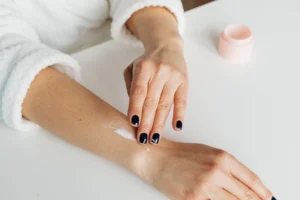
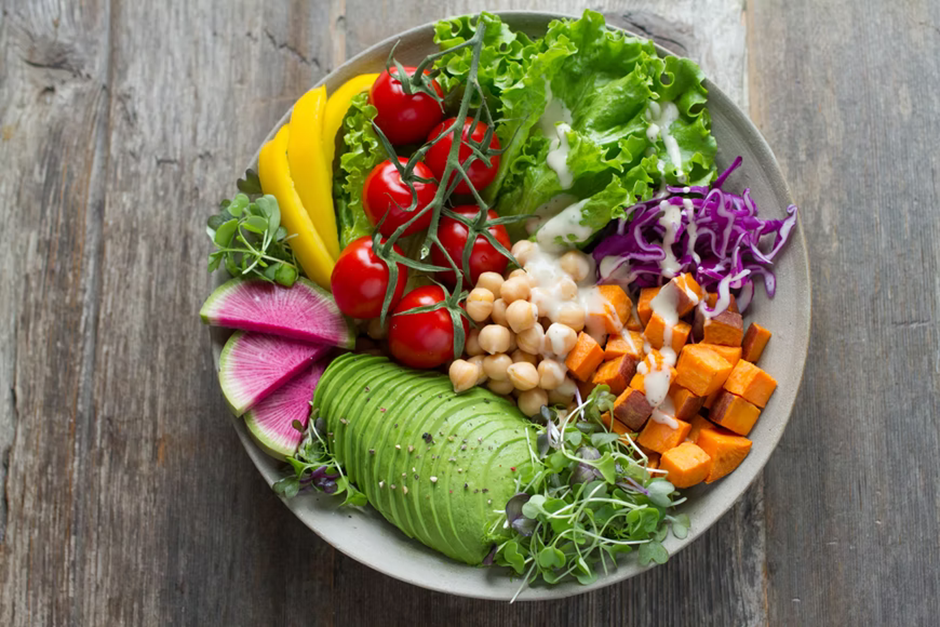
Achieving your best appearance hinges largely on your dietary choices and hydration. Eating nutritious foods, maintaining adequate water intake, and consistently moisturizing can greatly enhance your skin’s appearance. This article highlights some detrimental habits that may currently be harming your skin and offers suggestions for healthier snack alternatives to sugary treats like chips and cakes. You can implement these changes gradually, so there’s no need to overhaul your routine all at once!

1) Consider Collagen Supplements
Collagen, a vital protein recognized for its anti-aging effects, naturally diminishes as we age, contributing to wrinkles and other age-related changes. Currently, collagen is widely marketed in various forms, from serums to pills and powders that can be incorporated into beverages or smoothies, promising to alleviate skin issues. Utilizing these supplements may help mitigate signs of aging, promoting a youthful appearance for a longer period. However, it’s essential to conduct thorough research before selecting a collagen supplement, as these products differ significantly in absorption efficiency. Some may also contain undesirable fillers. Consulting with a healthcare professional can ensure you choose a suitable type for your needs.
2) Be Cautious With Sugar Intake
Excessive sugar consumption is rampant today, and it contributes to serious health issues such as obesity and diabetes. This unhealthy trend adversely affects skin quality as well.
When indulging in sugary snacks like candies or chocolates, they convert into sugar within the bloodstream. This can lead to heightened blood sugar levels, followed by a crash that results in fatigue, irritability, and headaches. Unfortunately, these effects often manifest on your skin.
To improve your skin, try to cut back on sugary snacks. Instead of reaching for candy bars, opt for nuts or seeds packed with protein and healthy fats, like omega-3s, for a more nourishing alternative.
3) Limit Your Salt Consumption
Consuming too much salt is another prevalent habit that can harm your skin. While a certain amount of salt is necessary for a balanced diet, an excess can lead to high blood pressure and various health issues.
One notable consequence of high salt intake is the appearance of puffy eyes. This swelling occurs due to water retention caused by salt, resulting in tired-looking eyes. Puffy eyes are not just a cosmetic issue; they can also indicate underlying health concerns such as kidney problems.
If you want to reduce puffiness, aim to lower your salt intake. Start by avoiding highly processed snacks and frozen meals, which often contain excessive salt. Make a habit of reading nutrition labels to monitor your salt consumption, and try cooking with less salt to maintain a more refreshed appearance.
4) Increase Your Water Consumption
Water is crucial for maintaining healthy skin. Inadequate hydration can lead to dry, flaky skin, necessitating more frequent moisturizing to achieve a supple look. Staying hydrated also plays a vital role in detoxifying your body. Dehydration can hinder kidney function, causing a buildup of toxins that may result in skin issues like acne or eczema.

Clearly, your dietary and lifestyle choices significantly influence your skin’s health. We have only briefly touched on the impact of sugar on wrinkles and salt on puffy eyes, but there’s much more to explore concerning food’s role in overall wellness. For a more comprehensive understanding of dietary effects on your health and skin, it might be beneficial to discuss with a doctor which supplements would best suit your specific health conditions or allergies.